
To More Inquiry
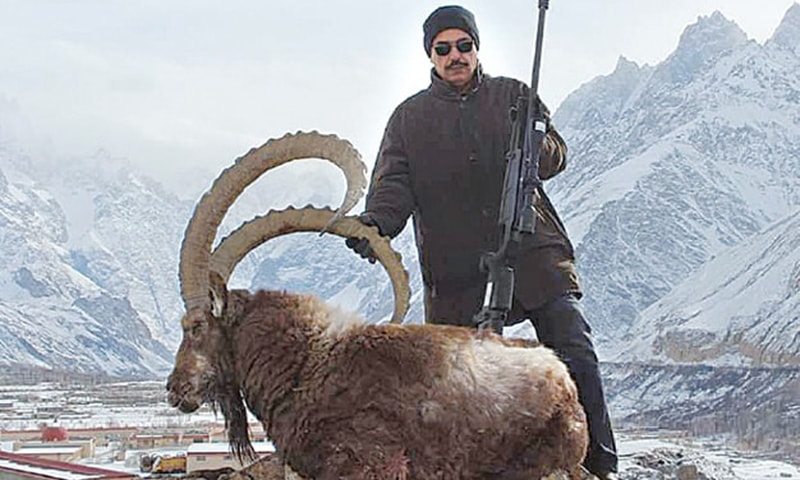
Himalayan Ibex trophy hunting in Northern Pakistan is a legal and well-regulated conservation activity carried out under government-approved wildlife management programs. The hunts take place mainly in Gilgit-Baltistan and parts of Khyber Pakhtunkhwa, where healthy ibex populations live in high-altitude mountain terrain.
Ibex trophy hunting is conducted during the official season from November to April, with a limited number of permits issued each year based on wildlife population surveys. Only older male ibex are selected for hunting, ensuring minimal impact on breeding populations and long-term sustainability.
The program follows a community-based conservation model, where up to 80% of the permit revenue is shared with local communities. This income supports village development, wildlife protection, and employment for local wildlife guards, creating a strong incentive to prevent poaching and protect natural habitats.
Himalayan Ibex trophy hunting in Pakistan’s north offers a responsible and ethical hunting experience while directly contributing to wildlife conservation and community livelihoods.
Trophy hunting is the legal hunting of wild animals for sport, where the hunter keeps a part of the animal (such as horns or skull) as a trophy. In Pakistan, trophy hunting is permitted only under strict regulations, scientific quotas, and through community-based management plans.
Unlike illegal poaching, trophy hunting in Pakistan is designed to be sustainable, science-driven, and compliant with global wildlife protection treaties.
Key Trophy Species in Pakistan
The trophy hunting of Markhor has been credited with helping to increase its population, reversing declines from past poaching.
Gilgit-Baltistan is the core region for trophy hunting in Pakistan, especially for Markhor, Himalayan Ibex, and Blue Sheep. Hunting is allowed only in Community Controlled Hunting Areas (CCHAs) and Community Managed Conservation Areas (CMA) to protect wildlife while ensuring local benefits.
Top hunting zones include:
Hunting season typically runs from November 1 to April 30, with December and January being prime months due to accessible terrain and animal movements.
KP also issues trophy hunting permits for Markhor, Himalayan Ibex, and Grey Goral, often through auctions managed by the KP Wildlife Department. In recent seasons, these auctions have raised hundreds of millions of rupees, demonstrating strong demand for legal trophy hunting.
All trophy hunting in Pakistan requires official permits issued by provincial wildlife departments and the federal government, often through an auction system. These permits:
One of the key goals of Pakistan’s trophy hunting programme is to support wildlife conservation and empower local communities:
Our trophy hunting journeys combine outdoor adventure with sustainable wildlife management, ensuring a memorable and responsible experience.
👉 Contact us today to inquire about trophy hunting permits, package options, and expert guidance.
Secure your spot for an unforgettable nature adventure now!