
To More Inquiry
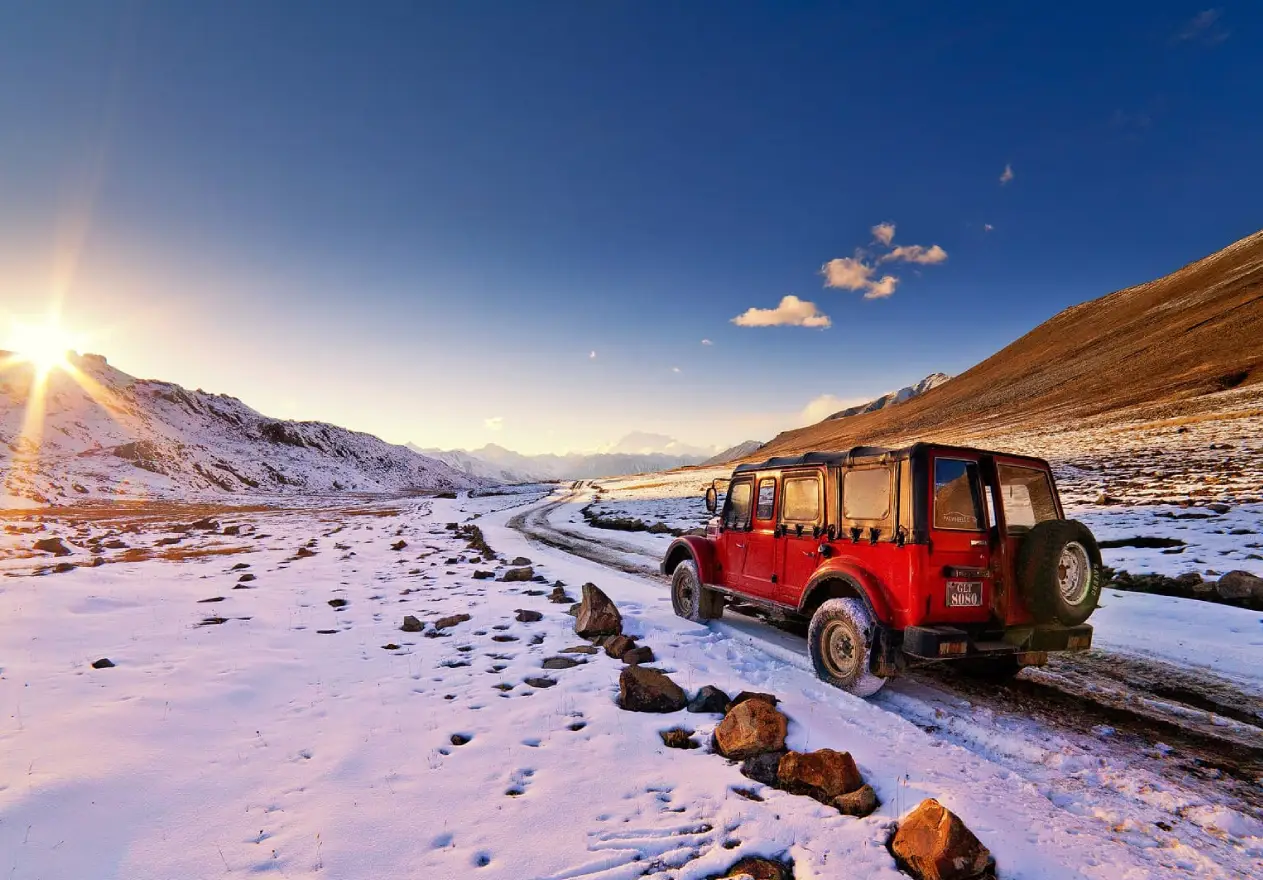
The Northern Areas of Pakistan are a breathtakingly beautiful and geologically fascinating region, encompassing Gilgit-Baltistan and parts of Khyber Pakhtunkhwa, including Chitral, Swat, Mansehra, and Naran. This region is renowned for its majestic landscapes, which include some of the highest mountains in the world, such as K2 and Nanga Parbat, along with vast glaciers, serene valleys, and crystal-clear lakes. The area is a haven for adventure enthusiasts, offering opportunities for trekking, mountaineering, jeep safaris, and camping amidst nature’s grandeur. It is also rich in cultural diversity, with vibrant traditions, languages, music, and handicrafts that add to its charm. Geologically, the Northern Areas are significant because they lie at the junction of three great mountain ranges—the Himalayas, Karakoram, and Hindu Kush—and are shaped by the ongoing collision of tectonic plates, making the region a hub of geological activity.
The mighty glaciers, such as Baltoro and Biafo, feed rivers like the Indus, which is vital for Pakistan’s water resources. With its unique combination of natural beauty, cultural richness, and geological wonders, the Northern Areas are a treasure trove for tourists, scientists, and anyone seeking to experience nature in its most pristine form.
1st day our guide will receive you from the airport. Soon you will be transferred to hotels. On this day, our participants can relax and recover from their long journey. It is very easy to spot our guide, holding placards with our company’s logo and your name on it. You must arrive at Islamabad International Airport, Islamabad. International flights normally arrive at midnight or in the afternoon. You must give us the details of your flights, both inbound and outbound as soon as possible prior to your arrival in Pakistan. Our staff/guide will receive you at the gates of international arrivals unless you are taking a connecting flight from another city of Pakistan. The guide/staff will transfer you to hotel. In case you do not require airport transfer, please inform us in advance.After lunch and some rest at the hotel (ideally if you are arriving in the morning between 9am to 12pm), our guide/representative will pickup all our guests around 6pm for briefing and remaining payments from the hotel. If you are coming late, we will arrange briefing at the hotel another morning before leave to chillas.Incase you come at the mid night, we will arrange a small tour with in Islamabad. A one-day tour in Islamabad is perfect for exploring the city's beauty and culture in a short time. You can start your day by visiting the stunning Faisal Mosque, one of the largest mosques in the world, followed by a trip to Daman-e-Koh, which offers breathtaking views of the city. Then, explore Pakistan Monument and the nearby Lok Virsa Museum to learn about the country’s history and culture. After lunch at a local restaurant, enjoy a peaceful walk or boating at Rawal Lake. End your day Saidpur Village, a charming historical spot with restaurants and traditional architecture. This short trip gives you a mix of nature, culture, and modern attractions.
Another day starts early from Islamabad, travelers drive along the scenic Hazara Motorway, reaching the charming towns of Abbottabad and Mansehra. From there, the route ascends into the verdant Kaghan Valley, passing by Naran, a vibrant tourist hub known for its lush meadows and the enchanting Saif-ul-Malook Lake. The road climbs further to Babusar Top, a high-altitude mountain pass at 4,173 meters, offering panoramic views of snow-capped peaks and dramatic valleys. Descending into the Chilas region, the landscape transitions into rocky terrains, marking the gateway to the rugged beauty of Gilgit-Baltistan. The entire journey is approximately 10-12 hours, blending lush green valleys, alpine scenery, and rugged mountains, making it a memorable experience for travelers.
The next day, our group will travel to one of the most beautiful places in the world—Fairy Meadows. This amazing place is full of green fields, beautiful views, and is very close to Nanga Parbat, the ninth-highest mountain in the world. We will start our journey from Chilas, heading towards Raikot Bridge. Here, we will get into jeeps for the next part of the trip. The road from Raikot Bridge to Tato Village is very rough and exciting. It is a narrow, winding road along steep mountains, with stunning views of valleys and high peaks. The two-hour jeep ride will be a thrilling experience and will be one of the best parts of our trip. Once we reach Tato Village, we will stop for lunch. The village is surrounded by tall pine trees and mountains, making it a perfect place to relax before continuing on foot. Our jeep drivers will stay in Tato and wait for us until the next day. After lunch, we will begin a hike that will take about two and a half hours towards Fairy Meadows. This walk will be beautiful, as we pass through forests of tall pine trees and enjoy the fresh mountain air while getting amazing views of the Nanga Parbat glacier. As we get closer to Fairy Meadows, the scenery becomes even more incredible. The green meadows, surrounded by snow-covered mountains, look like something out of a dream. Small lakes reflect the sky and the mountains, making the place even more beautiful. When we arrive at our hotel, we will be able to see the full beauty of Nanga Parbat, standing tall and impressive in front of us. The journey to Fairy Meadows is not just a trip; it’s a special experience that stays with you. The beauty of this place is so amazing that words cannot fully explain it, and no photo can show the feeling of being there in person.
The next day, we will start our journey back from Fairy Meadows to Raikot Bridge. After reaching Raikot, we will head towards a small village in Astore. About half an hour from Raikot Bridge, we will stop at a spot where we can get a great view of Nanga Parbat, one of the tallest and most famous mountains in the world. After that, we will continue driving towards Astore, which is another district in Gilgit-Baltistan. The valley we pass through is narrow, and the Astore River flows right through the middle of it, making the scenery even more beautiful and peaceful. Once we reach Astore, we will make a short stop at the local bazaar to explore a bit. After that, we will drive for about three more hours to reach Trishing, a remote village in Astore. During the drive, we will be able to see the Rupal face of Nanga Parbat, which is one of the most impressive and famous sides of the mountain. When we arrive in Trishing, we will have an amazing view of the Rupal face, which is the largest climbing wall in the world. Trishing village is a beautiful place, surrounded by green fields and crystal-clear water, making it a calm and scenic destination.
The journey from Tarishing Valley to Chilim is not very long, but it offers breathtaking views of the crystal-clear waters of Deosai in the Astore District. After driving for about two hours, you will arrive in Chilim, where you can leave your extra luggage at the hotel and carry only lightweight essentials for the next adventure. From Chilim, you will travel to Minimarg, one of the most beautiful and hidden tourist destinations in Pakistan. Minimarg is a paradise with lush green meadows, dense forests, and stunning snow-capped mountains. The valley is known for its peaceful atmosphere and untouched natural beauty, making it a dream location for nature lovers and adventure seekers. One of the most famous attractions in Minimarg is Rainbow Lake, a mesmerizing water body with crystal-clear turquoise water that reflects different colors in the sunlight, creating a magical view. The valley’s cool and refreshing climate, even in summer, makes it a perfect escape from the heat, and its vibrant flowers, rolling hills, and pristine rivers make it a paradise for photographers. Since Minimarg is located near the Line of Control (LoC), it is a restricted area, and tourists need special permission from the Pakistan Army to visit. After exploring the valley and enjoying its serene beauty, you will return to Chilim in the afternoon, completing an unforgettable journey to one of Pakistan’s most stunning hidden gems.
As you leave Chilim, you will drive towards the Deosai National Park, also known as the Land of Giants, because of its vast, high-altitude plains surrounded by majestic mountains. The road is rough and bumpy, but the stunning natural beauty makes the journey worthwhile. As you enter Deosai, you will see endless green meadows, colorful wildflowers, and clear blue skies stretching as far as the eye can see. The park is home to many wild animals, including the famous Himalayan brown bear, red foxes, and golden marmots, which you might see along the way. After driving deeper into Deosai, you will reach Sheosar Lake, one of the highest lakes in the world, known for its deep blue water and breathtaking reflection of Nanga Parbat, the world’s ninth-highest mountain. The air is fresh and cool, making it a perfect place to stop, take pictures, and enjoy the peaceful surroundings. Continuing the journey, you will pass through Bara Pani, a beautiful river crossing with a wooden bridge, and then Kala Pani, another scenic spot where the water flows through rocky landscapes. The drive through Deosai is an adventure, as the terrain is rough, but the experience of traveling through such an untouched and wild paradise is truly unique. After crossing Deosai, you will start descending towards Skardu, and as you get closer, you will see rocky mountains, crystal-clear rivers, and the vast Indus River flowing alongside the road. The journey can take six to eight hours, depending on road conditions, but every moment is filled with incredible scenery and natural wonders. Finally, you will arrive in Skardu, a stunning valley surrounded by snow-covered peaks, beautiful lakes, and ancient forts, marking the end of an amazing journey through the roof of the world.
The day starts early in the morning with a visit to Shangrila Resort and Lower Kachura Lake, also known as Shangrila Lake, a beautiful spot surrounded by green hills and snow-capped peaks. The lake’s crystal-clear water reflects the colorful wooden cottages of the famous Shangrila Resort, making it a perfect place for pictures and a relaxing walk. From there, the journey continues to Upper Kachura Lake, which is less crowded and more natural, offering a peaceful environment with deep blue water and a stunning mountain backdrop. Visitors can enjoy boating, photography, or simply sitting by the lake to admire the beauty. Next, the tour heads towards Skardu Fort, an ancient fortress that offers panoramic views of the Skardu Valley and the Indus River. The fort has a rich history, with old rooms and Balti architectural designs, giving visitors a glimpse into the past. After exploring the fort, the journey continues to the Katpana Desert, also called the Cold Desert, which is one of the highest deserts in the world. The golden sand dunes surrounded by snow-capped mountains create a unique and surreal view, and visitors can walk on the soft sand or take memorable photos. After enjoying the desert, the tour moves towards Sadpara Lake, a stunning alpine lake with turquoise water and a peaceful atmosphere. The lake is surrounded by high mountains, making it a great spot to relax and enjoy nature. As the day comes to an end, the tour can include a visit to Manthal Buddha Rock, an ancient Buddhist carving on a large rock, showcasing the region’s historical and cultural importance. Finally, as the sun sets, visitors can return to Skardu city, where they can explore the local bazaar, try traditional Balti food, and buy souvenirs. This one-day tour around Skardu covers some of the most beautiful and culturally rich places, making it a perfect way to experience the magic of this stunning region in a short time.
As you leave Skardu, the road follows the Indus River, offering breathtaking views of rocky cliffs, small villages, and vast open valleys. After driving for about two hours, you reach Manthokha Waterfall, one of the most beautiful and famous waterfalls in Pakistan. The waterfall cascades down from a high cliff, creating a refreshing and peaceful atmosphere, with lush green meadows surrounding it. The sound of the falling water, fresh mountain air, and cool mist make it a perfect spot for relaxation, photography, and a short break. The area around the waterfall has picnic spots and small food stalls, where visitors can enjoy local Balti cuisine, including chapshuro and freshly cooked trout fish. After spending some time at Manthokha Waterfall, the journey continues towards Khaplu, one of the most historic and picturesque towns in Gilgit-Baltistan. The road from Manthokha to Khaplu passes through lush green valleys, traditional Balti villages, and the breathtaking Shyok River. The views along the way are stunning, with snow-covered peaks, fruit orchards, and peaceful farmlands adding to the beauty of the journey. After a few hours of driving, you arrive in Khaplu, a charming town rich in history, culture, and natural beauty. In Khaplu, visitors can explore Khaplu Fort, the ancient Chaqchan Mosque, and the serene banks of the Shyok River. Walking through the narrow streets of Khaplu, lined with traditional Balti houses, offers a glimpse into the unique culture and heritage of the region.
The journey begins in Khaplu, a historic and picturesque town known for its traditional Balti culture, stunning mountains, and historical sites like Khaplu Fort and the 700-year-old Chaqchan Mosque. Leaving Khaplu, the road follows the Shyok River, passing through beautiful green valleys, charming villages, and terraced fields. After some time, the journey enters Machulo Valley, a hidden gem surrounded by snow-capped peaks and lush meadows. The valley offers stunning views of Masherbrum (K1), one of the most famous peaks in the Karakoram range, and is home to traditional Balti villages where travelers can experience the unique hospitality of the locals. Continuing from Machulo, the road winds through narrow mountain paths and rugged terrain, finally reaching Hushe, a remote and breathtaking valley that serves as a gateway to some of the world's highest peaks, including Laila Peak, Masherbrum, and Gondogoro Pass. Hushe is a paradise for trekkers, climbers, and nature lovers, offering peaceful surroundings, fresh mountain air, and stunning panoramic views.After exploring Hushe and its surrounding beauty, the return journey begins towards Skardu, taking a scenic detour to Crystal Lake. The road back passes through barren cliffs, green valleys, and the mighty rivers of the Karakoram. Upon reaching Crystal Lake, visitors are greeted by breathtaking views of crystal-clear water reflecting the surrounding snow-covered peaks. The lake is a hidden treasure, offering a peaceful and untouched natural setting, making it a perfect place for relaxation, photography, and a short break. After enjoying the serene beauty of Crystal Lake, the journey continues back towards Skardu, passing through rugged mountain roads, the stunning landscapes of Baltistan, and the powerful Indus River. Arriving in Skardu, travelers can explore the local bazaar, enjoy Balti cuisine, and reflect on the incredible journey through some of the most stunning regions of the Karakoram. The Khaplu to Hushe via Machulo Valley and back to Skardu via Crystal Lake route is a perfect combination of adventure, culture, and breathtaking scenery, offering a truly unforgettable experience for travelers exploring the heart of Gilgit-Baltistan.
The journey begins from Skardu, a beautiful valley surrounded by snow-capped peaks, glaciers, and crystal-clear lakes. Leaving Skardu, the road follows the Indus River, offering stunning views of rugged mountains and remote villages. The first major stop is at Jaglot, where the Indus and Gilgit rivers meet, creating a dramatic and picturesque view. This is also where travelers enter the Karakoram Highway (KKH), one of the highest and most scenic highways in the world.Continuing the journey on the KKH, the road passes through Gilgit, the capital of Gilgit-Baltistan, where travelers can take a short break, visit the Gilgit Bazaar, and explore local culture and cuisine. From Gilgit, the journey heads towards Hunza Valley, one of the most famous and breathtaking destinations in Pakistan. As you drive closer to Karimabad, you will pass through Rakaposhi Viewpoint, where you can see the majestic Rakaposhi Peak (7,788 meters), one of the most beautiful mountains in the Karakoram range. The drive becomes even more stunning as you enter Hunza Valley, with lush green fields, apricot orchards, and ancient forts perched on hilltops.Finally, you reach Karimabad, the heart of Hunza Valley, known for its rich history, welcoming people, and stunning landscapes. Here, travelers can explore Baltit Fort, Altit Fort, and the local Hunza Bazaar, where they can buy traditional handicrafts, gemstones, and local dry fruits. Karimabad also offers breathtaking views of Ultar Sar, Ladyfinger Peak, and the Hunza River, making it a perfect place to relax and enjoy nature. The journey from Skardu to Karimabad takes around 10 to 12 hours, depending on road conditions, but every moment is filled with spectacular scenery and unforgettable experiences. This trip is a perfect blend of adventure, history, and natural beauty, offering travelers a chance to explore some of the most stunning locations in Pakistan.
karimabad, Altit Fort, baltit fort and DuikerThe first stop is Baltit Fort, an ancient fort that is more than 700 years old, located on a hill overlooking Karimabad. The fort, once home to the royal family of Hunza, is now a museum showcasing the history, culture, and architecture of the region. From the fort’s balcony, visitors can enjoy a breathtaking panoramic view of Hunza Valley, the Hunza River, and the surrounding snow-capped peaks.After exploring Baltit Fort, the tour continues to Altit Fort, which is even older than Baltit, dating back 900 years. Altit Fort is located in Altit village, one of the oldest settlements in Hunza, known for its traditional stone houses and vibrant culture. The fort has been beautifully restored, and walking through its rooms and corridors feels like stepping back in time. Next to the fort is the Altit Royal Garden, a peaceful place filled with colorful flowers, apricot trees, and a stunning view of the Hunza River.From Altit, the journey continues uphill to Duiker, also known as Eagle’s Nest, which is the highest viewpoint in Hunza Valley. The road to Duiker is steep and winding, but once at the top, visitors are rewarded with a breathtaking 360-degree view of the Karakoram Mountains, including Rakaposhi, Diran Peak, Golden Peak, and Ultar Sar. Duiker is famous for its sunrise and sunset views, as the golden light of the sun reflects on the majestic mountains, creating a magical scene. Visitors can relax at Eagle’s Nest Hotel, enjoy a cup of traditional Hunza tea, and take in the serene beauty of the valley.After spending time in Duiker, the tour returns to Karimabad, where visitors can explore the local bazaars, try traditional Hunza food like Chapshuro and Walnut Cake, and interact with the friendly local people. This one-day tour of Baltit Fort, Altit Fort, and Duiker is a perfect mix of history, culture, and breathtaking natural beauty, offering an unforgettable experience in the heart of Hunza Valley.
The journey from Karimabad to Hopper and back, followed by a trip to Passu on the same day, is a thrilling adventure through stunning glaciers, lush green valleys, and the breathtaking Karakoram Mountains. The day starts early in Karimabad, where the road leads towards Hopper Valley, a hidden gem in Nagar District, about 30–40 minutes from Karimabad. The drive to Hopper passes through beautiful villages, terraced fields, and apricot orchards, with magnificent views of Rakaposhi and Diran Peak along the way. Upon reaching Hopper, visitors are greeted with the breathtaking sight of the Hopper Glacier, a massive glacier surrounded by snow-capped peaks and lush green meadows. The valley is peaceful and less crowded, offering a perfect spot for short hikes, photography, and interaction with the friendly locals. After spending an hour or two exploring Hopper Glacier and its surroundings, the journey returns to Karimabad for a quick break before heading towards Passu.The road from Karimabad to Passu follows the famous Karakoram Highway (KKH), offering some of the most scenic views in all of Pakistan. As the journey continues north, the first major stop is the Attabad Lake, a stunning turquoise-blue lake formed after a landslide in 2010. Visitors can take a boat ride on the crystal-clear waters, enjoy refreshments at lakeside cafés, or simply admire the breathtaking views of the steep cliffs and surrounding mountains. From Attabad, the drive continues towards Gulmit, a picturesque village known for its traditional Wakhi culture, apricot orchards, and stunning mountain views. Along the way, the famous Hussaini Suspension Bridge, known as one of the most adventurous and longest hanging bridges in the world, is a thrilling stop for those looking to experience a bit of adventure.
The day begins in Passu, a peaceful village in Hunza Valley, famous for the majestic Passu Cones (Cathedral Ridge) and the Passu Glacier. From here, the journey starts toward Borith Lake, a serene high-altitude lake located at about 2,600 meters above sea level. The road to Borith is a short detour from the Karakoram Highway (KKH) and passes through Hussaini village. A short hike or jeep ride takes travelers to the lake, which offers breathtaking views of the surrounding mountains and glaciers. The calm and peaceful atmosphere of Borith Lake makes it an ideal place to relax, take photos, and enjoy nature. From the lake, visitors can take a short trek to the Passu Glacier viewpoint, which provides an unforgettable panoramic view of the mighty glacier and the Karakoram peaks.After exploring Borith Lake, the journey continues toward Sost, the last major town before the Pakistan-China border. The drive along the Karakoram Highway is stunning, with views of rocky cliffs, deep valleys, and snow-covered mountains. Upon reaching Sost, visitors can explore the local bazaar, where they will find traditional Wakhi handicrafts, dried fruits, and Chinese goods. Sost is an important trade hub, as it serves as the gateway to China via the Khunjerab Pass. Travelers can also visit the Pakistan-China immigration checkpoint, where they can see the official border crossing point for trade and tourism.After enjoying the sights and atmosphere of Sost, the journey heads back to Passu, following the same scenic Karakoram Highway. Along the way, travelers can stop at Hussaini Suspension Bridge, one of the longest and most adventurous hanging bridges in the world. This thrilling stop allows visitors to experience a walk over the wooden planks and ropes of the bridge, suspended over the Hunza River with strong winds adding to the adventure. By evening, travelers arrive back in Passu, where they can relax and enjoy the stunning sunset over the Passu Cones.
The day starts in Passu, a beautiful village famous for the majestic Passu Cones (Cathedral Ridge) and the Passu Glacier. Leaving Passu, the journey heads south on the KKH, with the first stop at the Hussaini Suspension Bridge, known as one of the most thrilling and longest hanging bridges in the world. Suspended over the Hunza River, this bridge is made of wooden planks and steel ropes, offering an exciting experience as it sways with the wind. Adventurous travelers can walk across the bridge while enjoying the stunning views of the river and surrounding mountains.After visiting the bridge, the journey continues along the Karakoram Highway, passing through small villages, orchards, and scenic valleys. The next stop is the Ancient Route Viewpoint, a historical location where travelers can see the original Silk Road trail carved into the mountains. This ancient path was used by traders and travelers for centuries, connecting China with the Indian subcontinent. From the viewpoint, visitors can enjoy a spectacular panoramic view of the Karakoram Mountains, the winding Hunza River, and the modern Karakoram Highway.Continuing the journey, the road passes through Attabad Lake, where visitors can take a short break to admire the turquoise-blue water and towering cliffs. The drive then continues through Gulmit, Karimabad, and Nagar Valley, with breathtaking views of Rakaposhi, Ultar Sar, and Diran Peak. Finally, after a 4 to 5-hour drive, the journey reaches Gilgit City, the capital of Gilgit-Baltistan. In Gilgit, visitors can explore the local bazaars, visit Kargah Buddha (an ancient rock carving dating back to the 7th century), and walk along the Gilgit River. The city also offers a chance to experience traditional Gilgiti culture, taste local food, and visit historical sites.
Starting from Gilgit, the capital of Gilgit-Baltistan, the journey begins by heading northwest toward Ghizer Valley, which is located at the convergence of the Gilgit and Hunza Rivers. The road from Gilgit to Ghizer is a beautiful drive, with the Karakoram Highway (KKH) passing through small villages, terraced fields, and green valleys surrounded by towering mountains. Along the way, you will pass through Yasin Valley, a region that is known for its stunning landscapes and traditional villages nestled between high mountains. This stretch of road offers views of snow-capped peaks, lush forests, and pristine rivers, making it a truly picturesque journey.As you continue driving into Ghizer Valley, you will pass through Gupis and Phunder, the two main towns of the valley. The route follows the Phunder River, with crystal-clear water and green meadows along the way, providing a tranquil environment. Ghizer is known for its rugged beauty, with small villages dotted across the valley, offering a glimpse into the traditional way of life in this region.The drive continues to Phander, located in the upper reaches of Ghizer Valley. Phander is a peaceful village, surrounded by lush greenery, clear lakes, and mountainous terrain. It's a perfect spot for nature lovers to enjoy the calm atmosphere and stunning surroundings. Phander is particularly famous for its Phander Lake, a serene alpine lake known for its crystal-clear water and breathtaking mountain views.
The journey from Phander to Chitral City via Shandur Pass is an incredible adventure through the majestic mountains, remote valleys, and rugged terrain of Gilgit-Baltistan and Khyber Pakhtunkhwa. The trip begins in Phander, a peaceful village in the upper reaches of Ghizer Valley, known for its stunning natural beauty, crystal-clear lakes, and breathtaking mountain views. From Phander, the road leads towards the famous Shandur Pass, which sits at an altitude of 3,700 meters (12,139 feet), making it one of the highest paved roads in the world.The drive to Shandur Pass is a thrilling journey through rugged mountain terrain, grassy meadows, and alpine forests, with panoramic views of the Hindu Kush and Karakoram mountain ranges. Along the way, visitors will pass through remote villages, lush valleys, and high-altitude pastures, where they can spot herders with their livestock. As you approach the pass, the Shandur Lake comes into view, a serene and beautiful lake that remains frozen for most of the year but melts into clear blue waters during summer. The Shandur Pass is most famous for being the site of the Shandur Polo Festival, held every July, where polo matches between Gilgit-Baltistan and Chitral teams are played in the most unique and breathtaking open-air stadium.At the pass, visitors can stop to admire the majestic views of the surrounding peaks, take photos, and enjoy the cool mountain air. From here, the road descends into Chitral, a beautiful and historical city located in the Kunar River Valley. The journey from Shandur to Chitral takes travelers through gorges, narrow valleys, and remote landscapes, where they can explore the traditional Kalash villages, old forts, and ancient cultural sites along the way.Upon arrival in Chitral City, travelers can explore the local bazaar, enjoy traditional Chitrali food like Chapshuro (meat-filled flatbread), and visit attractions such as the Chitral Fort, Shahi Mosque, and the Kalash Museum. Chitral is known for its rich cultural heritage, with the Kalash people, an indigenous tribe famous for their unique customs, religion, and vibrant festivals.
Bamborate is the largest and most populous village in the Kalash Valley, home to the Kalash people, an indigenous tribe known for their unique culture, traditions, and vibrant festivals.The trip begins in Chitral City, where travelers can enjoy a brief stop to explore the local markets and enjoy some traditional Chitrali food. From Chitral, the road winds through the Chitral River valley, surrounded by towering peaks and lush green landscapes. The scenic drive takes visitors along narrow mountain roads with views of terraced fields, forests, and rivers, offering a peaceful journey through rural Khyber Pakhtunkhwa.The route from Chitral to Bamborate involves a steady ascent into the Kalash Valley, where travelers will pass through small Kalash villages, where the Kalash people live in traditional wooden houses and practice their distinct lifestyle. The valley is known for its breathtaking scenery, with snow-capped mountains, wildflower meadows, and forests of pine and oak trees.Upon arrival in Bamborate, travelers are greeted by the unique culture and hospitality of the Kalash people. The village offers a chance to explore the ancient customs, religion, and traditional festivals of the Kalash tribe. Visitors can walk around the village, observe the Kalash women wearing colorful dresses, and enjoy the warmth and friendliness of the local people. Bamborate is also famous for its rich heritage, including traditional wooden temples, stone carvings, and distinctive religious ceremonies.
Bamborate – RumborThe drive takes you deeper into the heart of Kalash culture, offering stunning views of the lush green mountains, rivers, and the unique village life of the Kalash people.The trip begins in Bamborate, the largest village in the Kalash Valley, known for its traditional wooden houses, vibrant culture, and breathtaking surroundings. From Bamborate, the road heads towards Rumbor, another beautiful village located around 20 kilometers away, nestled along the Rumbor River and surrounded by pine forests and mountain peaks. The drive to Rumbor is scenic, with winding mountain roads, terraced fields, and wildflower meadows along the way, providing stunning views of the snow-capped peaks of the Hindu Kush mountain range.Upon reaching Rumbor, visitors are greeted by the charm of another traditional Kalash village, known for its peaceful environment and simple way of life. In Rumbor, travelers can explore the local culture, visit ancient Kalash temples, and interact with the friendly Kalash people, who are known for their distinctive customs and lively festivals. The village is set in a beautiful valley with a rushing river, and it offers visitors a chance to see the traditional architecture, colorful costumes, and unique spiritual practices of the Kalash tribe.After spending time in Rumbor, the return journey to Bamborate follows the same scenic route. On the way back, visitors can enjoy the peaceful atmosphere, marvel at the natural beauty of the valley, and stop at small Kalash settlements to see their traditional lifestyle and crafts.
Leaving Bamborate, the journey heads towards Chitral, where travelers will follow the road leading southward toward Mingora, the main city in Swat. The drive from Bamborate to Chitral is quite scenic, with views of mountain peaks, green valleys, and remote villages dotted along the route. The road can be winding and narrow in some places, but the ever-changing landscapes and picturesque settings make it a captivating journey. After arriving in Chitral, travelers can rest before continuing southward.From Chitral, the drive towards Swat continues along the National Highway, a well-maintained road that takes you through lush valleys and river valleys, eventually reaching Mingora, the largest city in Swat. This stretch of the journey is filled with gorgeous mountain views, with stops in small towns and villages offering glimpses of local life. The Swat River accompanies you for much of the drive, adding to the beauty of the landscape.Upon reaching Swat, travelers can explore the city of Mingora, known for its peaceful ambiance, vibrant markets, and close proximity to the Valley of Swat's beautiful natural surroundings. Swat is often referred to as the "Switzerland of Pakistan" due to its majestic mountains, rivers, and green valleys. Visitors can explore local historical sites, including Buddhist archaeological sites, ancient ruins, and traditional Swati architecture.
From Mingora, the main city of Swat, the journey heads south along the Swat River, passing through green valleys, traditional villages, and picturesque landscapes as you make your way towards Takht-i-Bahi.Takht-i-Bahi is an ancient Buddhist monastery located on a hilltop near Mardan, about 15-20 kilometers north of Mardan city. The site is a UNESCO World Heritage site and is one of the best-preserved archaeological ruins from the Buddhist era. The monastery was built around the 1st century CE and was an important center for Buddhism during that time. It offers panoramic views of the surrounding valley and is a must-see for history and archaeology enthusiasts. Visitors can explore the temples, courtyards, cells, and the stupa that remain at the site, which highlight the Buddhist monastic life of ancient Gandhara.After spending some time exploring Takht-i-Bahi, the journey continues south towards Islamabad, Pakistan’s capital city. The drive from Takht-i-Bahi to Islamabad is approximately 2-3 hours, passing through towns like Mardan and Kohat, as well as lush green plains and hilly terrains.Upon reaching Islamabad, visitors can explore the city’s many attractions, including the Faisal Mosque, Daman-e-Koh, Pakistan Monument, and Rawal Lake, along with vibrant markets and a variety of local and international restaurants.
Drive calmly to Islamabad International Airport, enjoying the last moments together. Once at the terminal, help with the luggage and ensure all documents are ready. Say a heartfelt goodbye with a smile or a hug, wishing them a safe journey. Walk them to the entrance or check-in counter. Stay until they've entered the airport building. Finally, drive away, reflecting on the memorable farewell.
Reserve your ideal trip early for a hassle-free trip; secure comfort and convenience!