

- 3 Views
- 5 Min Read
- (0) Comment
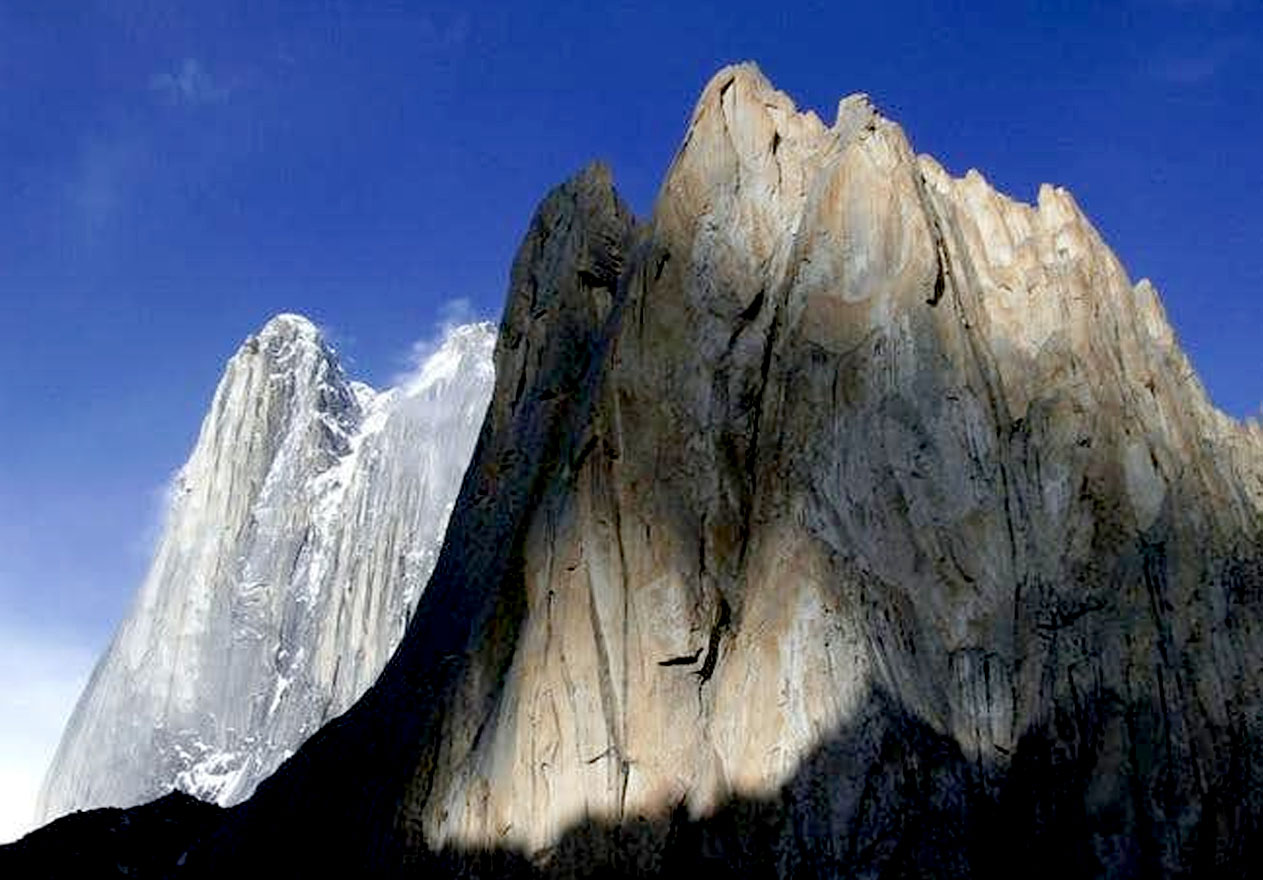
The Amin Brakk Base Camp Trek is a more remote and advanced extension of the Nangma Valley trekking circuit, leading into the deeper wilderness of the Hushe region in Gilgit-Baltistan, Pakistan. This route takes trekkers beyond the main Nangma Valley campsite toward the base of Amin Brakk, a towering granite peak famously known among climbers as the “Great Tower of Baltistan” due to its steep, dramatic rock walls and exceptional alpine presence.
As the trail progresses beyond Nangma Valley, the landscape becomes increasingly raw and isolated. Trekkers move through alpine pastures, glacial streams, and rugged moraine terrain, gradually entering a vast natural amphitheater surrounded by imposing rock formations and untouched mountain scenery. The environment becomes more demanding, requiring steady physical fitness and proper acclimatization before attempting the route.
Reaching the base camp area offers a rare and powerful perspective of Amin Brakk’s vertical granite face, rising sharply above the valley floor. The surroundings are completely wild and silent, making it one of the most immersive high-altitude experiences in the region. This section of the trek is especially valued by photographers, mountaineers, and adventure travelers seeking off-the-beaten-path exploration in the Karakoram.
The Amin Brakk Base Camp extension is typically completed as part of a 3 to 6-day Nangma Valley itinerary, depending on weather conditions, trekking pace, and group experience. Due to its remote nature, it is strongly recommended to undertake this route with an experienced local guide familiar with the terrain and conditions.
This trek represents the deeper side of Nangma Valley — where tourism fades and pure wilderness begins.
🧑🤝🧑 Solo Trekking in Nangma Valley
Nangma Valley is regarded as one of the more accessible and safe trekking destinations in Baltistan for independent travelers, making it a preferred choice for experienced solo trekkers who are comfortable in remote alpine environments. While the trail can be navigated independently by seasoned hikers, hiring a local guide is strongly recommended to ensure safer navigation, better route understanding, and a more meaningful cultural experience within this isolated mountain region.
For solo trekkers, it is highly advised to inform local hosts or accommodation providers in Kande Village about trekking plans before moving deeper into the valley. This ensures an additional layer of safety and allows locals to assist in case of delays or emergencies. Trekkers should also carry offline GPS maps, as mobile network coverage is limited or unavailable in most parts of Nangma Valley.
Proper preparation is essential, including carrying sufficient food supplies, drinking water, and all necessary trekking gear for self-sufficiency throughout the journey. It is recommended to start hikes early in the day and avoid late afternoon travel, as weather conditions in the mountains can change rapidly and visibility may decrease.
🏡 Stay & Local Guide Support in Kande Village
For accommodation and logistical support, Felix Guest House in Machulo Village serves as a convenient and reliable base for trekkers heading into Nangma Valley. The guest house offers basic but comfortable lodging in a traditional mountain setting, making it an ideal stop for acclimatization before the trek and rest upon return.
In addition to accommodation, Felix Guest House also provides assistance in arranging experienced local guides and porters from the region. These guides are familiar with the terrain, weather patterns, and trekking routes of Nangma Valley, ensuring safer and more organized expeditions for both solo and group travelers.
Staying at a locally managed guest house also helps support the community-based tourism model in Hushe Valley, contributing directly to local livelihoods while enhancing the authenticity of the travel experience.
🎒 What to Pack for Nangma Valley Trek
Packing correctly for Nangma Valley Trek is essential because the terrain ranges from warm village trails to cold alpine camping zones. Weather can change quickly, and facilities are minimal once you enter the valley, so being well-prepared ensures both comfort and safety throughout your journey.
👟 Trekking Boots (Most Important)
A strong pair of waterproof trekking boots with good ankle support is essential. The trail includes rocky paths, river crossings, and uneven alpine terrain, so proper grip and stability are critical to avoid injuries and ensure comfort during long hiking hours.
🧥 Warm Layers (Weather Protection)
Temperatures in Nangma Valley can drop significantly, especially at night and at higher elevations. Pack multiple layers such as thermal innerwear, fleece jackets, and an insulated outer shell. Layering helps you adjust easily to changing weather conditions throughout the day.
🛌 Sleeping Bag (Cold-Weather Rated)
A high-quality sleeping bag rated for low temperatures is necessary for camping in the valley. Nights can become very cold even in summer, so a well-insulated sleeping bag ensures proper rest and protection against freezing conditions.
🥾 Trekking Poles (Balance & Support)
Trekking poles are highly recommended as they reduce pressure on knees during ascents and descents. They also provide better balance on loose gravel, river crossings, and uneven mountain paths.
🔋 Power Bank & Flashlight
There is no electricity once you enter higher camps, so a high-capacity power bank is essential for keeping devices charged. A reliable headlamp or flashlight is also necessary for night movement around camps and early morning hikes.
🌧️ Rain Jacket (Sudden Weather Changes)
Weather in the Karakoram can shift rapidly. A lightweight, waterproof rain jacket protects you from unexpected rain, wind, and glacier breeze, keeping you dry and comfortable during trekking.
🩹 Basic First Aid Kit
Carry a personal first aid kit including bandages, antiseptic cream, pain relievers, altitude sickness medication, and any personal prescriptions. Medical facilities are not available in the valley, so self-care preparation is very important.
🎒 Additional Recommended Items
To further improve your trekking experience, consider also carrying:
- 🧴 Sunscreen & sunglasses (UV protection at high altitude)
- 🧢 Cap or sun hat
- 💧 Reusable water bottle or hydration system
- 🍫 Energy snacks (chocolate, nuts, energy bars)
- 🧼 Wet wipes & basic toiletries
- 🗺️ Offline maps or GPS device
📷 Camera for landscape photography
FAQs – Nangma Valley Trek
Nangma Valley is located near Kande Village in Hushe Valley, Gilgit-Baltistan, Pakistan.
It is an easy to moderate trek suitable for beginners, solo travelers, and photographers.
Yes, it is possible. However, hiring a local guide is recommended for safety and navigation.
No, trekking does not require technical skills, but rock climbing routes do require experience.
Usually 2 to 5 days depending on your itinerary and activities.
The best time is June to September when weather and trails are accessible.
Yes, camping is the main accommodation option inside the valley.
Leave a comment: